Park Ridge
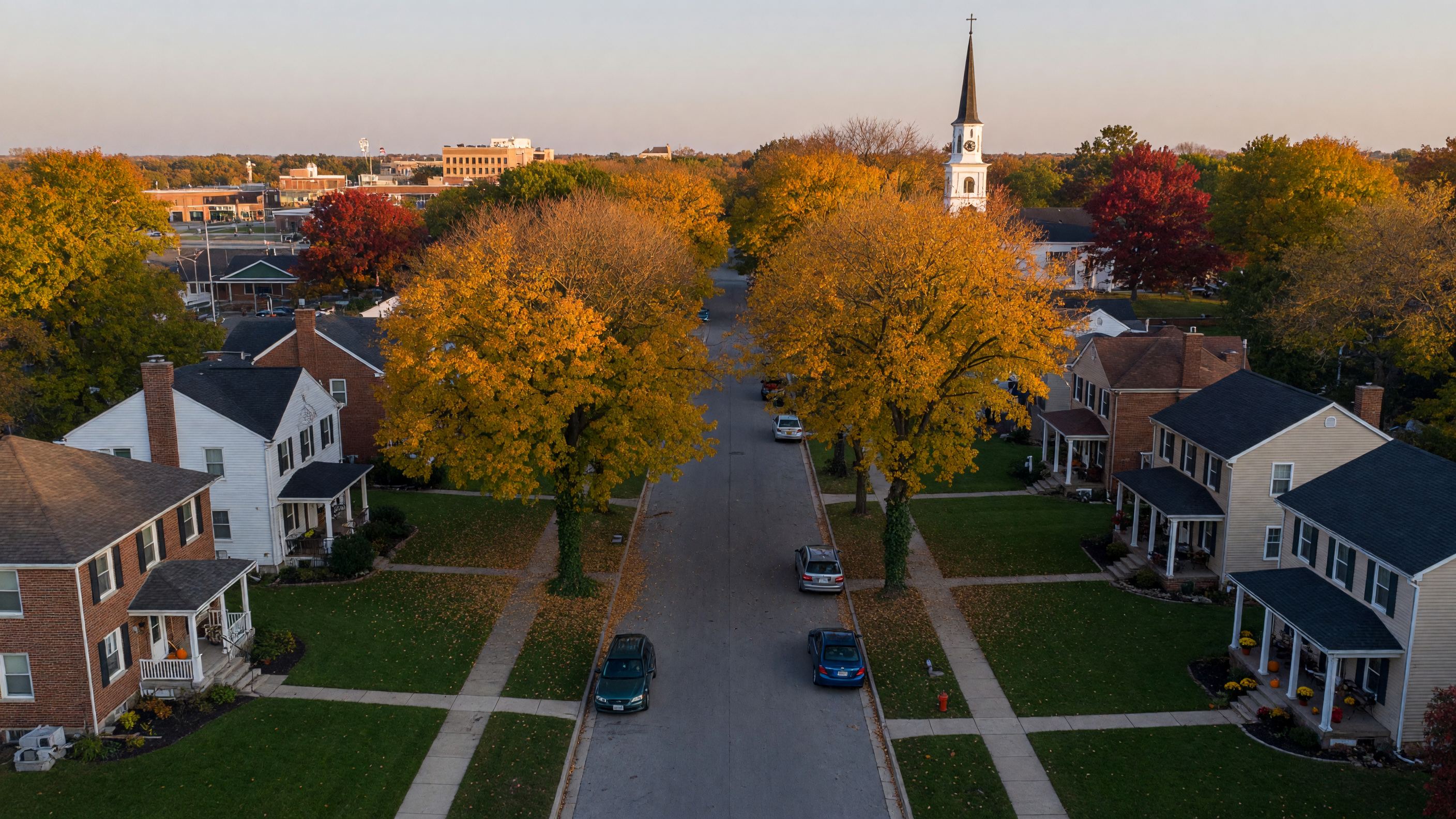
A walkable, tree-lined suburb sitting just two miles east of O'Hare International Airport. Park Ridge combines small-town character with a commute that most pilots would call ideal.

Why Diane understands this decision
I share daily life with an airline captain. I understand the pilot world from the inside: the schedule, the seniority math, the short-call premium, the quality-of-life trade-offs that don't show up in a spreadsheet.
Park Ridge is one of those neighborhoods where the commute question almost answers itself. It is two miles from the terminal. But the real question is whether the cost of living, the schools, and the lifestyle fit your specific situation. That is where honest analysis matters.
Park Ridge Pilot Snapshot
Is Park Ridge realistic for your ORD schedule?
The commute is minutes, but the financial picture depends on your schedule, your tax situation, and your stage of career. I'll put together the Park Ridge specifics for your situation: commute reality, school fit, and what the numbers actually look like.
Get the Park Ridge pilot snapshotNeighborhood Overview
Tree-lined streets, walkable downtown, right next to ORD
Park Ridge is a suburb of roughly 40,000 people located immediately adjacent to O'Hare International Airport on Chicago's northwest side. It has a reputation that precedes it in the Chicagoland area: tree-lined residential streets, a walkable downtown with independent shops and restaurants, and some of the strongest public schools in the suburbs.
The downtown area, known as Uptown Park Ridge, centers around South Prospect Avenue and features a mix of local restaurants, cafés, and the historic Art Deco Pickwick Theatre. It has the kind of walkable core that most Chicago suburbs lack, and it gives the community a sense of identity that goes beyond just being near the airport.
The residential neighborhoods are established and well-maintained. You will find a mix of brick bungalows, split-levels, and larger single-family homes on tree-canopied blocks. Park Ridge holds a Tree City USA designation, and the mature tree cover is one of the first things people notice when they visit.
For airline pilots, the appeal is straightforward: genuine suburban quality of life with a commute that is measured in minutes, not miles.
Quick Facts
- Pop. ~40,000
- 5-10 min to ORD terminals
- Median ~$350K-$500K
- District 64 & District 207
- Cook County, IL
I guide the strategy for your move.
I provide strategic guidance for pilots relocating to Chicago. The analysis and decision framework starts with me, and I stay involved through the entire move.
Request consultationThe Commute
Two miles from the terminal
The primary advantage of Park Ridge for airline crew is proximity. The community sits directly east of O'Hare, separated by only a couple of miles. During off-peak hours, when pilots typically report for duty, the drive from most Park Ridge neighborhoods to the terminal complex runs five to ten minutes.
That kind of proximity changes the way you think about your schedule. An early report time means leaving home with plenty of margin. A short-call assignment means you are out of bed and on your way in minutes, not scrambling to figure out whether you can make it from a crashpad or a commuter flight.
For pilots on reserve, or those who value the ability to pick up short-call assignments, that proximity is not just convenient. It is a financial position. The short-call premium compounds over a career, and you can only capture it if you are close enough to answer the call.
5-10 min
Drive to ORD terminals during pilot hours
~2 miles
Distance from most of Park Ridge to O'Hare
15-20 min
Drive to downtown Chicago via I-90
Housing & Cost of Living
Mid-range for Chicago suburbs, premium for what you get
Park Ridge home prices generally fall in the $350,000 to $500,000 range for most of the market, with some properties above or below depending on size, condition, and exact location. That places it in the middle tier for Chicago suburbs, comparable to Des Plaines and more affordable than Naperville, but with a lifestyle and school quality that many families consider a step up.
Illinois has a flat 4.95% state income tax, which affects the financial picture compared to Texas, Florida, or Nevada. Property taxes in Park Ridge are higher than the national average, which is typical for desirable Cook County suburbs with strong school districts. It is worth factoring both the state income tax and property taxes into any move-vs-commute analysis.
The housing stock is primarily single-family homes, many on well-established lots with mature trees. You will find everything from brick bungalows to larger colonials and contemporary builds. The neighborhoods feel settled and maintained in a way that newer developments often do not.
What's nearby
Park Ridge offers more than just proximity to the airport. The downtown area has local dining, coffee shops, and retail along Prospect Avenue. The Metra Union Pacific Northwest line provides direct rail access to Ogilvie Transportation Center in downtown Chicago, making the city reachable without driving. Pace bus Route 209 connects to the CTA Blue Line for additional transit options.
Outdoor access is strong. The community has multiple parks, walking paths, and the Des Plaines River trail system is nearby. Maine Township park facilities offer recreational programming. For families, the school system is a significant draw: District 64 serves grades K-8 and Maine Township High School District 207 serves grades 9-12, both consistently rated among the better public school systems in the Chicagoland area.
Downtown Chicago is roughly 15 to 20 minutes away via I-90, giving you access to everything a major city offers without having to live in the middle of it. That balance is part of what makes Park Ridge attractive to pilot families.
The Fit
Who Park Ridge works well for
Pilots on reserve or with unpredictable schedules
The 5-10 minute commute means you can respond to short-call assignments that a commuter cannot. During reserve stretches, that proximity is especially valuable.
Families with school-age children
District 64 and District 207 are consistently well-rated. The walkable downtown, parks, and community feel make it a strong environment for families who want suburban quality of life.
Flight attendants based at O'Hare
The same proximity advantage applies. Short commute times, manageable housing costs relative to closer-in Chicago neighborhoods, and access to transit if needed.
Pilots who want city access without city living
Downtown Chicago is 15-20 minutes away. Metra gets you there without driving. You get the suburban space and schools without giving up the cultural and dining options of a major city.
Honest Assessment
Park Ridge pros and cons
Advantages
- Extremely short commute to ORD. Five to ten minutes during pilot hours. You cannot get much closer without living at the airport.
- Strong public schools. District 64 and District 207 are among the better-rated districts in the Chicago suburbs.
- Walkable downtown. Uptown Park Ridge has restaurants, shops, and the historic Pickwick Theatre. A real community center, not just a strip mall.
- Established, tree-lined neighborhoods. Mature landscaping, well-maintained homes, and the kind of streetscape that takes decades to develop.
- Metra access to downtown Chicago. The UP-NW line runs from Park Ridge directly to Ogilvie Transportation Center without transfers.
- Short-call premium capture. Proximity to base means you can accept assignments that commuters cannot, which compounds over a career.
Trade-offs
- Higher property taxes. Cook County's desirable suburbs carry above-average property taxes. Factor this into your overall housing cost.
- Illinois state income tax. The 4.95% flat rate changes the financial picture compared to Texas, Florida, or Nevada. It matters on a captain's salary.
- Airport noise. Some areas of Park Ridge sit under or near O'Hare flight paths. Noise levels vary by block. It is worth visiting at different times of day before committing.
- Winter weather. Chicago winters are real. Snow, ice, and freezing fog from November through March affect both driving and flight operations. Park Ridge is not immune.
- Higher home prices than neighboring Des Plaines. Park Ridge commands a premium for its schools and downtown. If budget is tight, Des Plaines offers a similar commute at lower price points.
How Park Ridge compares to nearby options
Park Ridge sits in a cluster of northwest suburbs that are all within reasonable commuting distance of O'Hare. The differences come down to price, schools, and lifestyle feel.
Des Plaines sits directly to the west and offers a similar commute at lower price points. The schools are solid, though not at Park Ridge's level. Des Plaines is a good option for pilots who want proximity without the Park Ridge premium.
Mount Prospect has a walkable downtown of its own and strong schools in District 234. It is a step further from the airport than Park Ridge but still well within the short-commute range. Prices tend to be comparable or slightly lower.
Naperville offers arguably the best school system in Illinois and a polished riverwalk downtown, but it sits 35 to 50 minutes from O'Hare. For senior pilots with schedules that avoid rush hour, that trade-off can work. For reserve pilots or those who want to capture short-call assignments, the distance is a real limitation.
The question is not whether Park Ridge is objectively the best suburb. It is whether the combination of commute, schools, housing stock, and cost fits your specific situation. That is the analysis worth doing before you commit.
Your Local Expert
I guide the strategy for your move.
I am the relocation strategist who helps pilots navigate the decision to move to base. I stay involved and make sure you are taken care of, start to finish. The strategic analysis starts with me.
The process begins with the questions that matter: Is this move financially sound given the Illinois tax structure? What does your commute look like from Park Ridge versus Des Plaines versus Naperville? How does your seniority position affect which neighborhood makes the most sense? How do the school districts compare for your family's specific needs?
That analysis comes before any showings. The right decision about the move comes first. Then the right home in the right neighborhood follows.
Considering Park Ridge?
The right decision about the move comes first. I provide strategic guidance for pilots relocating to Chicago, from financial analysis through neighborhood selection.